
Table of Contents
ToggleIntroduction
Cracked, sunken, rutted, or pothole-filled asphalt doesn’t always need full replacement. If you’re a property manager, commercial owner, facility manager, developer, or condo board member, the right choice depends on the condition below the surface, not only what you can see.
The decision between asphalt repair vs replacement should consider surface damage, drainage, base strength, traffic loads, pavement age, available budget, and your long-term property goals. Localized patching or resurfacing may solve limited damage, while weak base conditions, recurring failures, or poor drainage can make reconstruction the better value. The lowest upfront cost isn’t always the lowest long-term cost, especially on busy parking lots, loading areas, and industrial yards. U-PAVE can assess your pavement and recommend a practical solution based on your site’s condition and use. Request an Asphalt Assessment. For commercial and industrial property owners across Edmonton and Central Alberta, U-PAVE LTD provides complete paving solutions designed around site conditions, traffic demands, drainage, and long-term pavement performance.
Key Takeaways
- Choose targeted asphalt repair when damage is localized and the surrounding pavement has a stable base, proper drainage, and no ongoing movement.
- Consider resurfacing or an asphalt overlay when the surface is worn but the pavement structure, grading, and drainage remain sound.
- Choose milling and replacement or full-depth reconstruction when failure is widespread or linked to settlement, poor drainage, weak base materials, or recurring repairs.
- Edmonton weather, traffic loads, pavement age, repair history, and future property plans should all shape the decision.
- A pavement assessment can identify whether the problem is limited to the surface or requires base repair, drainage correction, or reconstruction.
Quick Answer
Is asphalt repair or replacement better for a damaged parking lot?
The better option depends on the cause and extent of the damage. Localized potholes, narrow cracks, and small failed areas may only need repair, while widespread cracking, settlement, poor drainage, or recurring failures may require resurfacing or full-depth reconstruction.
Asphalt Repair vs Replacement: What Each Option Actually Means
Asphalt repair addresses a limited problem without disturbing the entire pavement area. It may include pothole repair, patching, crack sealing, infrared repair, surface repairs, localized excavation, or drainage correction.
Replacement covers a larger scope. It can mean milling the existing surface and installing new asphalt, or removing failed pavement, rebuilding the base, correcting grades, and paving the full area. Resurfacing or an asphalt overlay can provide a middle option when the existing pavement and base are still sound.
Option | Best use | Typical scope | Disruption | Expected result |
|---|---|---|---|---|
Repair | Localized damage with stable surrounding pavement | Patching, crack sealing, infrared repair, or small excavation | Low to moderate | Extends service life in affected areas |
Resurfacing or overlay | Worn surface with a strong base | Surface preparation, milling as needed, and new asphalt layer | Moderate | Renews appearance and driving quality |
Replacement or reconstruction | Widespread failure or weak base conditions | Milling, excavation, base repair, grading, drainage work, and paving | Moderate to high | Provides a stronger, more complete pavement solution |
When targeted asphalt repair can solve the problem
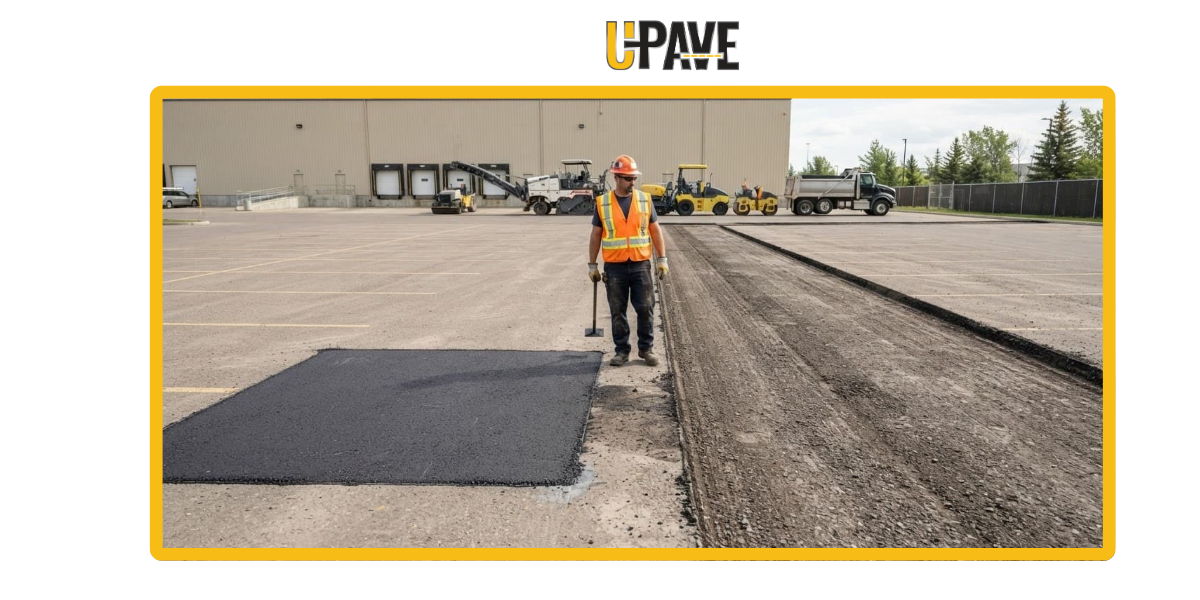
Repair is often suitable when damage is limited to a small area and the surrounding pavement remains stable. Common examples include isolated potholes, narrow cracks, small failed patches, minor surface wear, and early damage that hasn’t reached the base.
A parking lot may need patching around a catch basin, while a driveway may only require crack sealing and a localized repair. Access roads and low-to-moderate traffic areas can also benefit from targeted work when the pavement remains level and drains properly.
A quality repair must address more than the visible defect. Crews need to remove weak material, prepare the edges, compact the repair area, and prevent water from entering through cracks or open joints. For properties with surface-level damage, asphalt surface repairs may provide a practical way to improve safety, appearance, and pavement performance without replacing sound asphalt.
When replacement or reconstruction is the better investment
Replacement becomes more appropriate when failure is widespread, recurring, or caused by conditions below the surface. Warning signs include severe rutting, settlement, extensive alligator cracking, poor compaction, weak subgrade, standing water, and drainage problems.
Surface replacement and full-depth reconstruction are not the same. Milling and replacement removes some or all of the existing asphalt before a new surface is installed. Full-depth reconstruction goes further by removing failed materials, rebuilding the base, correcting grades, improving drainage, and compacting each layer before paving. Learn more about asphalt milling and replacement.
New asphalt can’t stabilize a base that continues to move, drain poorly, or lose strength under traffic.
An overlay placed over an unstable base may look good at first, but cracks and settlement can return quickly. This matters even more under trucks, loading docks, heavy equipment, and industrial yard traffic. The right choice depends on the cause of failure, pavement age, drainage, traffic loads, and your long-term project objectives. If you’re unsure, Request an Asphalt Assessment so U-PAVE can evaluate your pavement and recommend the appropriate scope.
How to Tell Whether Your Edmonton Asphalt Needs Repair or Replacement
The right choice in the asphalt repair vs replacement decision depends on three factors: the visible damage, the condition below the surface, and the size of the affected area. A few cracks may need maintenance, while settlement, drainage problems, or repeated failures may require more extensive work.
Surface damage is usually repairable when the base is stable
Localized damage often remains repairable when the surrounding pavement is level, firm, and draining properly. A few isolated cracks or potholes, limited raveling, and loose aggregate may point to surface deterioration rather than full-depth failure.
Uneven transitions deserve attention, but they don’t always mean replacement is necessary. If the area hasn’t settled, heaved, or developed ponding, targeted repairs may restore safety and pavement performance.
The repair area should be cleaned, prepared, and tied into sound pavement. Crews may remove loose asphalt, square the repair edges, apply the correct bonding material, place fresh asphalt, and compact it properly. Crack sealing and patching can also slow water damage when completed before moisture reaches the base.
Look for these conditions before choosing localized repair:
Damage is limited to a small, clearly defined area.
Cracks are narrow or isolated instead of forming broad alligator patterns.
Potholes aren’t returning after proper patching.
The pavement remains level and vehicle loads don’t cause movement.
Water drains away without collecting near the damaged section.
Base failure, drainage problems, and settlement point to larger work
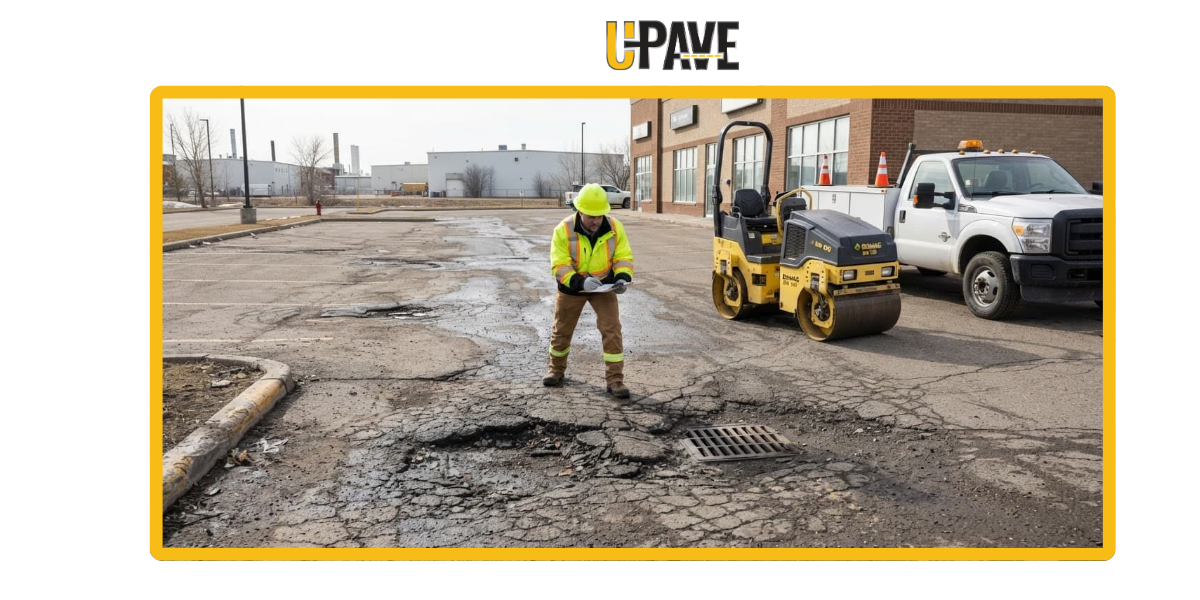
Widespread cracking, sunken sections, wheel-path ruts, standing water, and frost-related movement can indicate problems below the asphalt. Trapped water weakens the base and subgrade, while Edmonton’s freeze-thaw cycles can cause pavement to heave, settle, and crack across a broad area.
Poor grading, weak soil, heavy truck traffic, and inadequate compaction can create similar patterns. Repairs that keep failing are another warning sign. A new patch cannot correct a base that continues to move or lose strength.
Depending on the site, the work may include drainage correction, excavation, grading, compaction, cement stabilization, or complete base reconstruction before new asphalt is installed. Drainage and gravel base preparation can be part of the solution when water management and foundation strength are connected.
Pavement age matters, but it should not decide the project alone
Older asphalt can still perform well when it has a strong base and a consistent maintenance history. Newer pavement can fail early if site preparation, grading, drainage, or compaction was inadequate.
Consider the pavement’s current condition, repair history, traffic demand, planned property changes, and remaining service life. A practical decision guide looks like this:
Localized repair: Surface damage with stable surrounding pavement.
Overlay or resurfacing: Worn surface with a sound, well-drained base.
Milling and replacement: Broad surface failure with a generally stable foundation.
Full-depth reconstruction: Settlement, drainage problems, weak subgrade, or recurring repairs.
A professional asphalt inspection can help you separate surface damage from deeper failure. If you’re unsure, Request an Asphalt Assessment so U-PAVE can assess your Edmonton property and recommend the appropriate scope.
Repair, Resurfacing, or Replacement: Compare Scope, Cost, and Disruption
The asphalt repair vs replacement decision should be based on more than the first estimate. Compare the work required below the surface, the effect on daily operations, the expected maintenance, and the pavement’s likely performance after construction.
Why the lowest upfront price can become the highest long-term cost
A targeted repair usually costs less at the beginning because it affects a smaller area and requires less material, equipment, and site preparation. That makes repair a practical choice when damage is limited and the surrounding pavement has a stable base.
The problem starts when a property receives repeated patches without correcting the cause of failure. Water can enter through cracks and weak joints, freeze within the pavement structure, and damage the aggregate base. Potholes may return, vehicles may encounter uneven surfaces, and unsafe conditions can increase complaints, liability exposure, and repair urgency.
Recurring work also creates indirect costs. Your property may lose parking spaces, loading access, customer traffic, tenant access, or fire-lane availability each time crews return. A failure that worsens during winter can lead to emergency work when scheduling, traffic control, and access planning are more difficult.
A properly scoped replacement can provide more predictable value when failure is widespread. If the base, drainage, or subgrade is the problem, rebuilding those layers can reduce recurring maintenance and support better long-term performance. Repair remains the smarter choice when the damage is localized, the pavement drains correctly, and the surrounding structure remains sound.
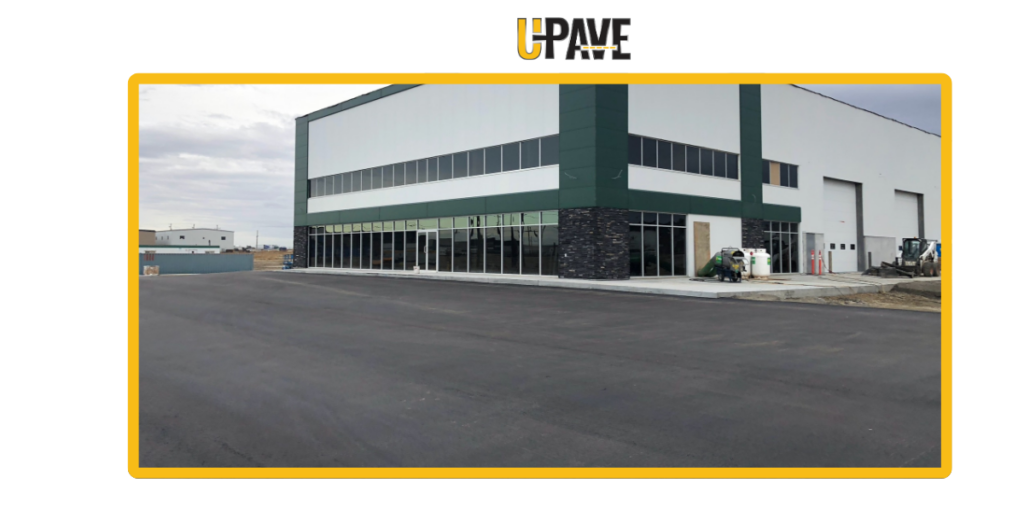
How project scope changes your budget and timeline
A professional estimate should explain what is included, not only show one total number. Major cost and schedule drivers include:
Pavement area, asphalt depth, and the required asphalt mix.
Milling or full removal, excavation, disposal, and trucking.
Aggregate base, soil conditions, compaction, and stabilization needs.
Grading, drainage correction, catch-basin work, and water management.
Traffic control, site access, temporary barriers, and work-hour restrictions.
Final line striping, parking-lot repainting, and other site finishing.
A surface overlay may require less preparation than full-depth replacement, but it cannot correct a moving base or ongoing drainage failure. Ask each contractor whether the estimate includes the underlying repairs needed for the recommended result.
Option | Budget effect | Disruption and access |
|---|---|---|
Targeted repair | Lower initial cost, with possible recurring maintenance | Limited closures and localized traffic control |
Resurfacing or overlay | Moderate cost when the base is stable | Section-by-section access planning may be needed |
Replacement or reconstruction | Higher initial scope, with more predictable foundation work | Greater downtime, excavation, and traffic control |
Commercial and industrial projects can often be completed in phases. Work may be scheduled by parking area, loading zone, or drive aisle to preserve fire lanes, loading access, tenant access, and customer traffic. Review the scope with a commercial paving quote request and ask U-PAVE to assess the pavement before you choose a repair, overlay, or replacement plan.
Why Edmonton Weather and Heavy Use Affect the Right Asphalt Solution
Edmonton pavement must handle freeze-thaw cycles, spring moisture, snow clearing, ice control, and heavy vehicle traffic. These conditions affect whether localized repair, resurfacing, or full-depth replacement provides the better result.
A solution that works for a lightly used parking area may not perform under trucks, buses, forklifts, or industrial equipment. Your pavement design should match the property’s actual use, drainage conditions, base strength, and long-term objectives.
Traffic loads can turn a small defect into a major failure
Passenger cars place relatively consistent, lighter loads on asphalt. Delivery trucks, buses, garbage vehicles, forklifts, and heavy equipment create greater pressure and more frequent stress, especially in industrial yards and warehouse access roads.
Turning and braking add extra force. A truck may twist the pavement while entering a loading dock, while repeated braking can wear down asphalt near gates, intersections, and loading zones. Forklifts and equipment can create concentrated damage in smaller areas.
Watch for rutting, depressed wheel paths, cracking, and loose edges in areas that receive repeated traffic. These defects often become worse where vehicles follow the same route each day.
A pavement section should be designed around its actual use:
Warehouse approaches need strength for delivery trucks and regular turning movements.
Loading zones require a stable base that can handle braking, queuing, and parked trailers.
Truck yards and equipment yards may require thicker asphalt, stronger aggregate layers, or base stabilization.
Commercial parking lots need different support than private driveways or low-traffic rural properties.
Pavement thickness, gravel base preparation, grading, and compaction should match the expected traffic. A thin repair over a weak foundation won’t solve repeated movement. Gravel base preparation can help establish the support required before paving or reconstruction.
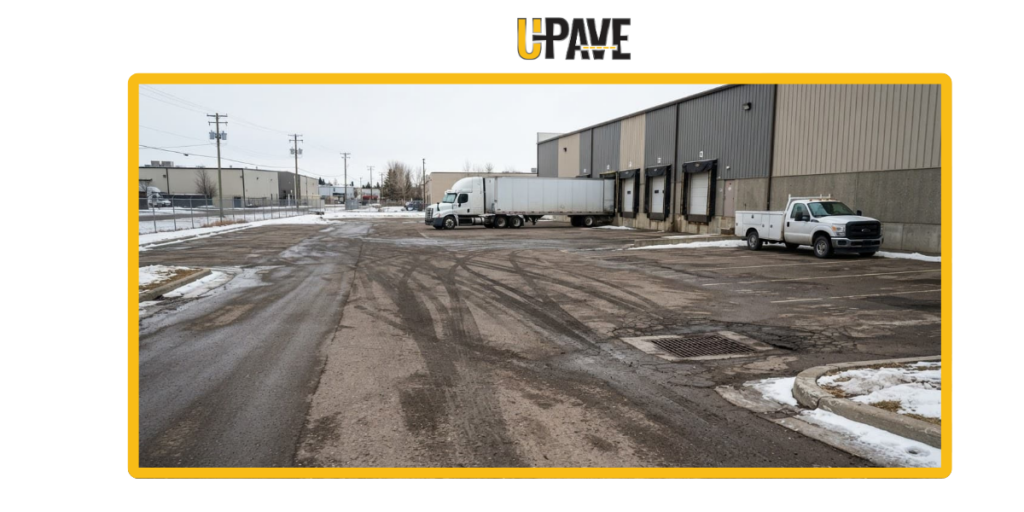
Drainage and seasonal maintenance protect both repairs and replacements
Standing water shortens the life of any asphalt solution. Blocked catch basins, poor grading, and low areas allow moisture to enter cracks and weaken the base. During Edmonton’s freeze-thaw cycles, that trapped water can contribute to frost movement, potholes, settlement, and expanding cracks.
Positive drainage should direct water away from traffic areas. Functioning catch basins, clear surface routes, and properly compacted base materials reduce moisture-related damage.
Maintenance cannot repair a failed base, but it protects sound pavement and completed work. Regular parking lot maintenance should include:
Crack sealing before water reaches the base.
Timely pothole and surface repairs.
Snow clearing that avoids damaging pavement edges.
Ice control suited to the property and traffic demands.
Catch-basin cleaning and drainage checks.
Line repainting after repairs or resurfacing.
If you’re unsure whether weather, traffic, or drainage has caused deeper failure, Request an Asphalt Assessment so U-PAVE can assess your pavement and recommend the right repair, resurfacing, or replacement scope.
A Practical Decision Process for Your Property Manager or Project Team
A clear decision starts before the first contractor arrives. Document the pavement, define your operating needs, and request proposals that explain the full scope. This process helps you compare asphalt repair vs replacement based on site conditions, not assumptions.
What to gather before you ask for an asphalt estimate
Give the contractor practical information before requesting a quote. Include the property address, approximate pavement area, recent photos, pavement age, previous repairs, and the locations of potholes, cracking, rutting, settlement, or standing water.
Also describe how the site is used. Vehicle types, truck routes, loading activity, tenant access, seasonal access needs, and planned construction can change the recommended solution. Share your preferred timing, required completion date, and any restrictions around business hours, fire lanes, parking, or deliveries.
Accurate details help contractors prepare a more useful scope and reduce surprises during budgeting. Larger commercial, industrial, or failing areas still require an on-site review. Photos cannot show the full condition of the base, drainage system, grades, or subgrade.
What a professional pavement assessment should answer
A proper assessment should explain why the pavement failed, not only identify visible defects. Ask whether the damage is limited to the asphalt surface or connected to weak base material, poor compaction, settlement, drainage, or repeated heavy traffic.
The assessment should address:
Which areas are repairable and where full-depth work is required.
Whether milling and replacement or an overlay is realistic.
Whether grading, drainage correction, excavation, or base reconstruction is needed.
How safety, traffic flow, tenant access, and construction phasing will be managed.
What performance and maintenance needs you should expect after the work.
Ask why the contractor recommends repair, resurfacing, or replacement. Also ask what may happen if the underlying issue remains untreated. For complex commercial or industrial decisions, schedule a pavement consultation before comparing bids.
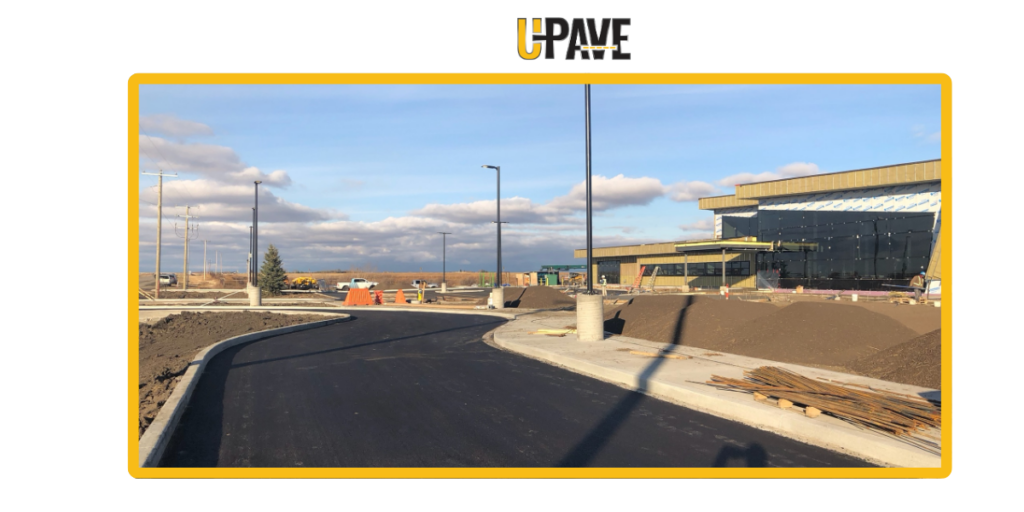
How to choose between a quick fix and a planned capital project
Match the treatment to your property’s goals. A localized repair may fit a small urgent hazard, a limited pothole, or a property scheduled for redevelopment. It can also protect access while you plan larger work.
Planned resurfacing or replacement may make more sense for a long-term asset, high-traffic site, loading area, or property with repeated maintenance costs. Consider safety, access, budget, tenant needs, expected traffic, and remaining service life.
A clear proposal should list the recommended treatment, preparation work, asphalt materials and thickness, phasing, schedule, traffic control, maintenance advice, warranty terms, and exclusions. Compare complete scopes rather than choosing the lowest number.
When you have documented the site and reviewed the options, Request a Free Quote and invite U-PAVE to assess the pavement before work is scheduled.
Frequently Asked Questions About Asphalt Repair vs Replacement in Edmonton
Is asphalt repair or replacement better for a damaged parking lot?
The better option depends on the cause and extent of the damage. Localized potholes, narrow cracks, and small failed areas may only need repair, while widespread cracking, settlement, poor drainage, or recurring failures may require resurfacing or full-depth reconstruction.
How can I tell if my asphalt needs repair or replacement?
Repair is often suitable when the pavement is level, stable, and draining properly around a limited damaged area. Replacement is more appropriate when the pavement has widespread alligator cracking, deep rutting, sinking sections, standing water, weak base conditions, or patches that continue to fail.
Does Edmonton weather affect the repair versus replacement decision?
Edmonton’s freeze-thaw cycles, spring moisture, snow clearing, and ice control can worsen cracks, potholes, settlement, and drainage-related damage. The recommended scope should account for the pavement’s base strength, moisture conditions, traffic loads, and exposure to seasonal movement.
How should a commercial property owner compare asphalt repair and replacement quotes?
Compare the complete scope, not only the total price. Review milling or removal, excavation, base preparation, grading, drainage work, asphalt thickness, traffic control, project phasing, line striping, maintenance requirements, warranty terms, and exclusions. Request an Asphalt Assessment or Request a Free Quote from U-PAVE before selecting a repair, resurfacing, or replacement plan.
When is asphalt resurfacing or an overlay a practical option?
Resurfacing or an overlay can work when the existing base is strong, the pavement is properly graded, and drainage problems have been addressed. An overlay won’t correct a moving base, settlement, or ongoing water damage.
Do you provide paving outside Edmonton?
Yes. UPAVE LTD serves Edmonton, Greater Edmonton, Central Alberta, and surrounding areas. Remote and Northern Alberta projects may be considered upon request, depending on planning, trucking, suppliers, accommodations, and disposal requirements.
Conclusion
The right choice in the asphalt repair vs replacement decision depends on what is causing the damage. Choose targeted repair when the problem is localized and the surrounding pavement has a stable base. Consider resurfacing when the surface is worn but the pavement structure, drainage, and grades remain sound. Replacement or full-depth reconstruction is more suitable when failure is widespread or connected to settlement, poor drainage, weak base materials, or recurring repairs.
Edmonton weather, traffic loads, pavement history, age, and future property plans should all shape your recommendation. A low-cost repair may be appropriate for a limited issue, while a planned replacement can provide better long-term value for a busy parking lot, loading area, industrial yard, or commercial property.
A pavement assessment gives you a clearer basis for budgeting and project planning. U-PAVE brings more than 25 years of combined paving and site preparation experience to Edmonton and Central Alberta properties. Have the U-PAVE paving team inspect your pavement and recommend a practical scope for your site. Then Request a Free Quote based on the work your property actually needs.