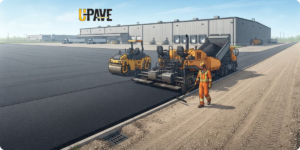
Industrial Facility Paving Edmonton: Plan for Heavy Traffic and Alberta Weather
Article prepared for: UPAVE-LTD Lead Contractor: Frank Wilkinson Location: 11810 Kingsway NW, Edmonton, AB, Canada Last Updated: October 23rd , 2026
Important Note:
This article is for general educational and informational purposes only. Industrial facility paving in Edmonton requirements vary based on soil and subgrade conditions, heavy truck and equipment loads, traffic frequency, drainage, loading areas, and site operations. Asphalt thickness, base preparation, grading, compaction, and construction phasing should be determined through a site-specific assessment and, where necessary, appropriate testing or engineering.
Dealing with cracking, rutting, settlement, drainage issues, or deteriorating industrial pavement? An experienced asphalt paving contractor in Edmonton can assess your property and recommend suitable solutions. Contact UPAVE LTD for industrial facility paving, asphalt repairs, resurfacing, excavation, grading, drainage, and phased construction planned around your facility’s daily operations. Contact us to Request a free quote: (780) 686-5700.
As an Edmonton-area industrial property owner or manager, you need pavement that can handle truck traffic, daily operations, and Alberta weather while providing safe access for staff, tenants, visitors, and deliveries. Industrial facility paving in Edmonton depends on matching the work to your site’s vehicles, loading areas, drainage, and operating needs.
A site assessment, well-planned construction, and ongoing maintenance can help protect your pavement investment. Start by understanding what your facility’s pavement needs to handle, including the demands of industrial yard paving in Edmonton.
Key Takeaways
Industrial facility paving must account for truck routes, loading areas, equipment yards, drainage, and daily site operations.
The right solution depends on the condition of the asphalt, base, and subgrade, along with traffic loads and water movement.
Localized repairs, resurfacing, milling and replacement, or full-depth reconstruction may be suitable, depending on the cause and extent of damage.
Phased construction can maintain selected routes or loading areas, although some temporary closures may be needed.
A site assessment helps define the project scope, cost factors, and access plan.
Quick Answer
How does Edmonton weather affect industrial pavement?
Freeze-thaw cycles can put stress on asphalt, particularly when water enters cracks or collects beneath the surface. Proper grading, drainage, base preparation, and compaction help manage water and support pavement performance.
Request a free quote: (780) 686-5700
What Industrial Facility Paving in Edmonton Needs to Handle
Industrial facility paving includes the asphalt surfaces that support truck routes, loading docks, fleet and equipment yards, employee parking, and site access. Each area has different demands, so your paving plan needs to reflect how the property operates, not just how a standard parking lot is laid out.
Match the pavement to your vehicles and traffic patterns
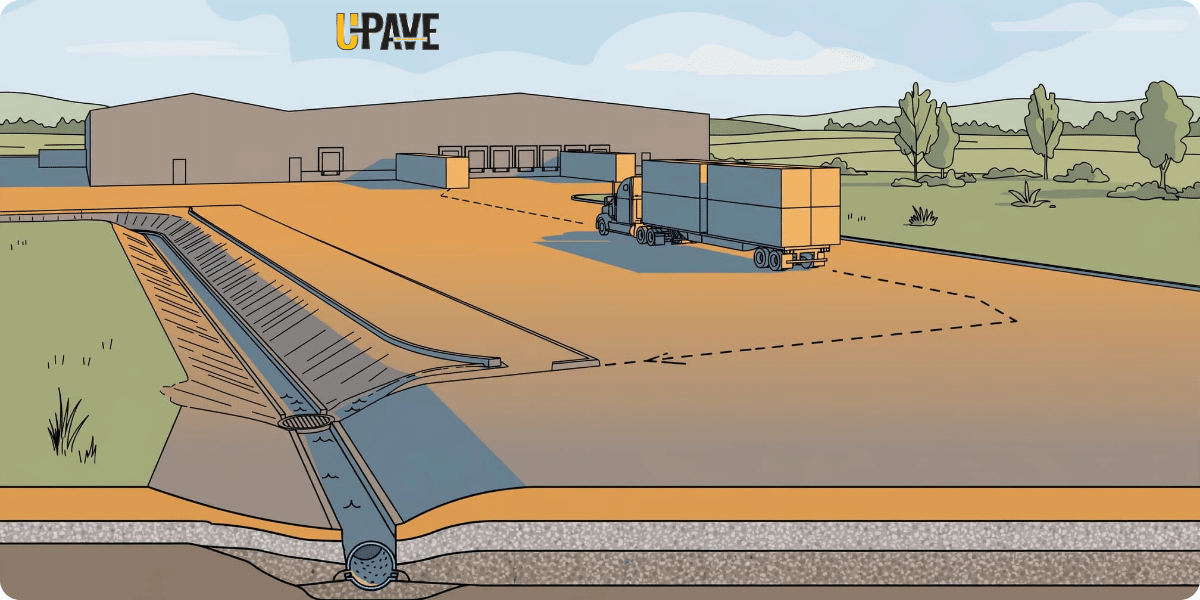
Tractor-trailers, delivery trucks, forklifts, service vehicles, and heavy equipment place different loads on pavement. Repeated travel along the same route concentrates wear, while turning and braking can put extra stress on asphalt at entrances, corners, and loading areas. Queuing trucks can also keep heavy loads in one place for extended periods.
Your site plan should identify the routes vehicles use most, including truck entrances, fleet yards, and loading zones. The base and asphalt need to suit those demands. A design that works for employee parking may not be suitable for a heavy-equipment route. See our guide to choosing a durable base for industrial paving for more on preparing surfaces for heavy traffic.
Plan loading areas, access routes, and safe movement
Loading docks and equipment yards need pavement that supports frequent vehicle movement and parked loads. Employee parking, visitor access, and pedestrian routes have different traffic and safety needs. Separating these areas where possible can help reduce conflicts between trucks, staff, and visitors.
Plan clear routes through the property, with room for trucks to manoeuvre and emergency vehicles to reach buildings and work areas. If construction takes place while your facility remains active, phased work can help maintain access and limit disruption to tenants and daily operations. Our warehouse and loading dock paving servicesaddress the demands of those working areas. For a larger industrial project, you can schedule a site visit to review access, traffic flow, and site conditions.
Account for Edmonton's freeze-thaw cycles and drainage
Water can enter cracks or collect beneath asphalt when the site drains poorly. As temperatures rise and fall, trapped moisture freezes and thaws, which can weaken the pavement and its supporting base. Freeze-thaw cycles are a known source of pavement damage in cold regions, as discussed in thisreview of frost-heave mitigation research.
Grading and drainage need attention before asphalt work begins. Proper slopes direct water away from travel lanes and loading areas, while suitable drainage helps prevent standing water from collecting near the pavement. Base preparation, compaction, and drainage planning all affect how well the finished surface performs. Learn more about site preparation and base work in Edmonton.
Spot Common Industrial Asphalt Failures Before They Spread
Industrial yards put asphalt under repeated heavy loads, tight turns, braking, and long periods of parked trucks or equipment. In Edmonton, water and freeze-thaw cycles can add stress to weak pavement. Spotting changes early helps you plan repairs before damage disrupts truck access, loading, or tenant operations.
Recognize rutting, cracking, potholes, and sinking areas
Look for wheel-path ruts where loaded trucks repeatedly travel. Depressions can form at loading docks and turning areas, where trailers and forklifts place concentrated pressure on the surface. Cracks that return after patching also deserve attention. They may indicate movement below the asphalt or water entering through the pavement.
Potholes often develop where water reaches damaged asphalt and weakens the material beneath it. Check areas around catch basins, drains, dock approaches, and pavement edges for sinking or recurring depressions. These spots can create hazards for trucks, forklifts, staff, and visitors, while making snow clearing more difficult in winter.
A single defect may be suitable for a localized repair. When damage keeps returning, spreads along truck routes, or appears in several loading areas, the cause may extend below the surface. Industrial yard base reconstruction may be needed when heavy traffic, water movement, or failed patches point to damage in the supporting layers.
Know when drainage or base failure needs attention
Standing water after rain or snowmelt is a practical warning sign, especially if it collects in the same low spot. Soft pavement, sinking beside a drain, and depressions that reappear after repairs may indicate that water is affecting the base or that the site’s grades need correction. Surface symptoms alone can’t confirm the cause, so a closer site review may be needed.
An isolated pothole or surface crack may only require patching or crack sealing. Repeated failures in the same area can call for grading correction, drainage work, localized base repair, or reconstruction. The right scope depends on pavement depth, base condition, drainage, and how the area is used. The Federal Highway Administration notes that a poorly drained or unstable base can contribute to cracking, settlement, and rutting in asphalt pavement (FHWA pavement guidance).
For an industrial property, recurring damage can also interrupt dock access, truck circulation, and tenant operations. Drainage correction in Edmonton may address water movement, while deeper failures may need base work. If repairs keep failing or water repeatedly collects in the same areas, Request an Asphalt Assessment to review the site conditions before choosing a repair.
Choose the Right Paving, Repair, and Maintenance Work
The right scope for industrial facility paving in Edmonton depends on the pavement’s condition, the loads it carries, and how water moves across the site. Your repair plan also needs to account for truck routes, loading areas, tenant access, and the need to keep operations moving during construction.
Compare new paving, resurfacing, and full-depth replacement
New asphalt installation may suit an undeveloped area, a site expansion, or pavement that needs to be rebuilt. An overlay can renew a worn surface when the existing asphalt and base remain stable, and drainage is working properly. It may be a practical option for improving truck lanes or yard surfaces without rebuilding the full pavement structure.
Milling removes some or all of the existing asphalt before replacement. It can address surface wear, uneven pavement, or clearance issues around catch basins and dock approaches. See our service for Edmonton asphalt milling and replacement when the existing surface needs removal before new asphalt can be placed.
If the base has failed, the pavement is settling, or drainage problems keep causing damage, full-depth reconstruction may be needed. This work removes failed materials and rebuilds the supporting layers before paving. An overlay over a weak base can hide the problem for a while, but cracks and settlement may return under repeated truck and equipment loads. Plan the scope around the cause of damage, site use, and how access can be maintained during construction.
Use targeted repairs and preventive maintenance wisely
Pothole repair and asphalt patching can address localized damage in truck paths, loading zones, and around catch basins. Crack sealing can help limit water entry through suitable cracks. Sealcoating may protect pavement that remains in good condition, while regrading or drainage correction can address low areas where water collects.
Timely upkeep helps manage surface deterioration and can reduce disruption to tenants, deliveries, and staff. A maintenance plan should include regular inspections and repairs suited to each area’s traffic and condition. The FHWA pavement preservation workbook describes preservation treatments for pavement surfaces. Maintenance, however, cannot replace base reconstruction or drainage repairs when those layers have failed. For recurring damage or standing water, Request an Asphalt Assessment to review the site and determine the appropriate work.
Build a sound base before placing asphalt
Durable pavement starts below the asphalt. The work may include excavation of unsuitable material, subgrade preparation, aggregate base placement, grading, and compaction. Each step helps create a stable surface that supports heavy vehicles and directs water away from the pavement.
Where site conditions support it, cement stabilization can strengthen a weak subgrade. The right approach depends on soil, drainage, traffic loads, and the condition of existing materials. Proper preparation is especially important beneath loading docks, turning areas, and routes used repeatedly by loaded trucks. A site review can help identify the work required and support phased construction that keeps essential facility access open.
Keep Your Facility Operating During Paving Construction
Industrial facility paving in Edmonton needs to fit the way your property runs. Trucks still need to reach loading docks, staff and tenants need safe access, and crews need room to move equipment through the work area. A clear plan can reduce disruption while keeping traffic and construction activity separated.
Phase the work around deliveries, tenants, and daily operations
Where site conditions allow, dividing the project into work zones can keep part of your facility open while crews pave another area. The sequence should account for loading docks, truck routes, employee parking, customer movement, and emergency access. It also needs to leave enough room for paving equipment, material deliveries, and safe vehicle movement.
Plan around delivery schedules and shift changes, when traffic may increase or concentrate at site entrances. Let tenants, employees, carriers, and other site users know which routes or areas will change, and when. Clear updates help drivers find the right entrance and reduce conflicts near active work zones.
Your traffic plan should also separate construction equipment from trucks, forklifts, pedestrians, and visitors wherever possible. Alberta’s traffic accommodation guidance for work zonesoutlines requirements for managing traffic around work. For facilities with busy docks and warehouse routes, see our information on warehouse paving in Edmonton andloading dock paving.
Set a realistic schedule and prepare your site
Project timing depends on the work required, site access, material availability, weather, and coordination with your operations. Excavation, base repairs, grading, drainage changes, and asphalt placement each affect the sequence. Edmonton’s changing conditions can also affect when crews can complete specific work.
Discuss your operational constraints early. Share delivery windows, peak truck periods, shift schedules, tenant requirements, and any areas that need to remain accessible. Before work begins, confirm how vehicles will enter and exit, where equipment will be staged, and how temporary routes will be communicated.
Preparing the site and coordinating these details helps crews work efficiently and reduces avoidable delays. The schedule should reflect the actual scope and site conditions, rather than assume every industrial property can follow the same sequence.
Arrange a site review before work is priced
A site visit helps us assess pavement condition, traffic demands, drainage, base concerns, and access requirements before recommending a scope. We can review truck turning areas, loading zones, surface transitions, and potential work phases, then identify whether the project may need repairs, resurfacing, excavation, grading, or base reconstruction.
Bring forward the areas that cause operational problems, such as recurring damage near a dock or standing water along a truck route. Your input helps shape a plan around how the property is used and which access points need priority. Schedule a Site Visit to discuss your paving needs and project requirements.
Frequently Asked Questions About Industrial Facility Paving Edmonton:
What preparation is needed before industrial asphalt paving?
Preparation may include excavation, subgrade work, aggregate base placement, grading, and compaction. The required work depends on soil and site conditions, drainage, traffic loads, and the condition of existing pavement.
How do I know whether industrial asphalt needs repair or replacement?
Localized potholes or cracks may be suitable for targeted repairs. Recurring damage, rutting, settlement, or standing water can point to a deeper problem with the base or drainage, so a site review can help determine whether repairs, resurfacing, or reconstruction are appropriate.
Can paving work be completed while our facility remains open?
Phased construction can keep selected loading bays, truck routes, or parking areas available while crews work in other zones. The plan depends on the site layout, traffic patterns, project scope, and required access. Some temporary closures may still be necessary.
Budget for Industrial Paving and Plan for Pavement Life
The initial paving price is only one part of your industrial project budget. You also need to consider site preparation, access requirements, construction phasing, and future maintenance. A clear scope helps you compare estimates based on the work your facility actually needs.
Understand what can affect your project cost
The size of the paved area matters, but it doesn’t tell the whole story. Excavation depth, the condition of the existing base, grading, drainage work, and asphalt requirements can all change the project scope. A truck route with turning and loading areas may need different preparation than employee parking.
Access also affects how crews and equipment reach each work zone. If your facility needs to keep loading docks, tenant entrances, or truck routes open, construction phasing may be needed. That planning can affect the sequence and schedule of the work.
When you compare estimates, make sure each one describes the same work. Ask whether excavation, base repairs, grading, drainage correction, asphalt placement, and cleanup are included. A site review can help identify conditions that aren’t clear from a surface inspection. For larger projects, industrial paving and site preparationshould be scoped around your traffic patterns and operating needs.
Plan repairs, maintenance, and replacement over time
Lifecycle planning helps you track pavement condition and prepare for repairs before damage interrupts deliveries or access to loading areas. Inspections can identify changes such as cracks, rutting, sinking, or standing water, while maintenance records show where problems recur.
Use those findings to prioritize urgent repairs and set aside budget for future work. A crack or isolated pothole may need a targeted repair, while recurring damage along a truck route could call for a closer review of the base or drainage. The right response depends on site conditions, traffic, and previous repairs. There isn’t a fixed lifespan that applies to every industrial pavement.
Paving work may need to line up with excavation, grading, cement stabilization, or drainage correction. Completing related work in the right sequence can help avoid disturbing new asphalt later. Grading and regrading servicesmay be part of the scope where water collects or surface levels need correction.
Also consider how the finished site will be maintained. Line painting helps define truck lanes, parking, and pedestrian areas. Snow removal, equipment support, and seasonal upkeep affect access and pavement condition throughout the year. Coordinate these services around loading schedules, tenant needs, and high-traffic periods so your site remains functional during and after construction.
Conclusion: Industrial Facility Paving Edmonton
Durable industrial facility paving in Edmonton depends on matching the pavement to truck and equipment traffic, preparing a stable base, managing drainage, and coordinating work around loading areas, tenants, and site access. When these details fit your facility’s operations, your paved surfaces can better support daily movement and ongoing maintenance.
We bring more than 25 years of combined experience to industrial paving projects. Discuss your Edmonton-area facility with us and Request a Free Quote for your project.